
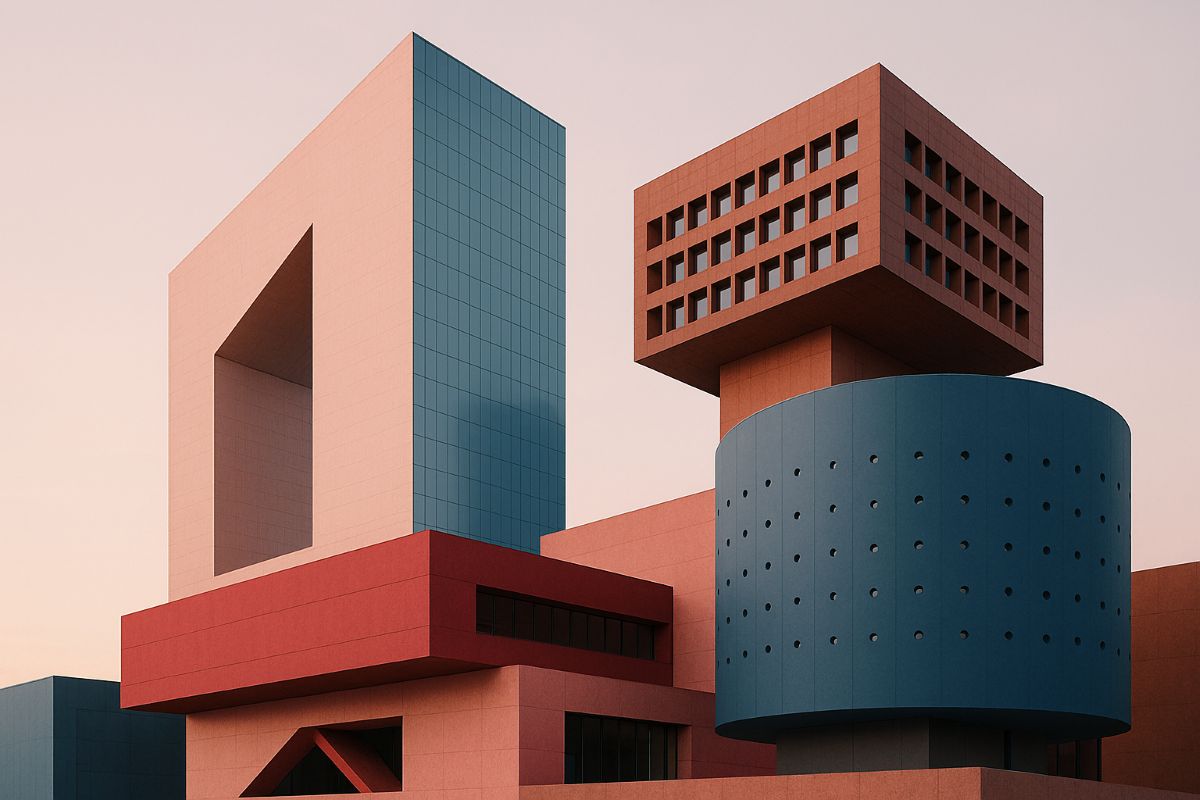
Designing the Future: How Geometry Shapes Modern Architecture
If you think math is a bunch of boring numbers and complicated equations, think again! Geometry is the unsung hero behind some of the most amazing, jaw-dropping buildings we see every day. Whether you're strolling through a bustling city or admiring your favorite local library, you’re surrounded by cool geometric designs that aren’t just eye candy, they’re the backbone that holds everything together.
In this article, we’re diving into the practical world of geometry in architecture. We'll break down how shape, symmetry, curves, and even funky patterns come together to transform simple ideas into iconic structures. Grab a cup of coffee, get comfy, and let’s explore why math really does build our world.
A Quick Trip Down Memory Lane: Geometry’s Role in Building Stuff
You might be surprised to learn that geometry isn’t a new fad, it’s been rocking the design world for thousands of years. Think about the pyramids of Egypt. Those impressive stones weren’t randomly stacked; they were carefully planned using basic geometric shapes. Ancient builders knew that triangles, squares, and circles were beautiful and practical. The Egyptians used these shapes to create structures that could last millennia, and the same basic ideas can be found in the majestic cathedrals of medieval Europe.
The Greeks and Romans, those classical trendsetters, took it even further by famously using the Golden Ratio. This neat little number pops up in everything from seashell spirals to the arches of Roman bridges. They believed that if you got your proportions right, your building would work, and it would look absolutely stunning. And guess what? These age-old techniques still inspire modern architects today.
- Designing the Future: How Geometry Shapes Modern Architecture
- A Quick Trip Down Memory Lane: Geometry’s Role in Building Stuff
- Geometry 101: The Building Blocks of Design
- The Golden Ratio: Making Everything Look Right
- How Geometry Keeps Our Buildings Standing
- Cool Case Studies: Geometry in Action
- Geometry and the Green Revolution in Architecture
- Telling a Story Through Space
- Learning by Doing: Getting Hands-on with Geometric Design
- Wrapping It Up: Geometry Is Everywhere
- What’s Next? Get Involved with Geometry in Design
Geometry 101: The Building Blocks of Design
Let’s break down some of the essential geometric ideas that architects use to turn blueprints into reality:
1. Symmetry and Its Creative Cousin, Asymmetry
Symmetry is like that friend who always brings balance to the table. It gives buildings a sense of order and calm, whether you’re looking at a grand government building or a quaint little house. But, sometimes, architects go for a little bit of chaos with asymmetry. This unexpected twist makes things interesting, sparking our curiosity and keeping our eyes engaged. It’s all about mixing order with a dash of surprise!
2. The Golden Ratio: Nature’s Favorite Number
Ever wonder why some buildings just feel right? The Golden Ratio is often the secret ingredient. It’s a simple mathematical relationship found naturally in things like sunflowers and seashells, and it creates a sense of balance that our eyes love. Architects use the Golden Ratio to design everything from facades to interiors, ensuring that every part of the building looks and feels in harmony with the rest.
3. Triangles: The Ultimate Team Players
When it comes to stability, triangles are the MVPs of the architecture world. Their shape naturally spreads out forces evenly across the structure, making them perfect for roofs, bridges, and even the framework of houses. Essentially, if you see a triangle, you can bet there’s some serious engineering genius behind it that lets the building stand strong against the forces of nature.
4. Curves and Circles: Bringing Fluidity to Form
Not everything in architecture must be straight and boxy. Curved lines and circular shapes bring a softer, more organic vibe to designs. Think about domes on ancient basilicas or modern sports stadiums with sweeping curves. These designs are gorgeous. They also work to evenly distribute structural loads and create a more inviting, natural feel around the building.
5. Tessellations and Patterns: The Art of Repetition
Tessellations: repeating patterns of shapes, are where art meets math. They allow architects to cover large surfaces in a way that’s both energetic and coherent. Whether it’s a series of interlocking hexagons on a building’s exterior or a floor design that guides your steps, these patterns are proof that math doesn’t have to be monotonous; it can be full of life, color, and rhythm.
6. Parametric and Fractal Geometry: The Future of Free-Form Design
Thanks to modern computer tools, architects can now experiment with shapes that were once impossible. Parametric design lets them tweak every curve and angle using efficient algorithms, meaning buildings can be as dynamic as they are functional. From fractal patterns to unpredictable, free-form shapes, these new techniques are setting the stage for the next generation of stunning architectural masterpieces.
The Golden Ratio: Making Everything Look Right
Let’s zoom into the Golden Ratio again because, honestly, it’s kind of a big deal. You might have heard it’s the key to that “wow” factor in design, and it really is! The idea behind it is simple: when parts of a structure relate to each other by the Golden Ratio, the building feels naturally balanced and pleasing to the eye.
A Peek at History
The ancient Greeks were all about this. They used the Golden Ratio when designing temples and public buildings, believing it made spaces more harmonious. The Parthenon, for example, is a classic case where these proportions make the structure functional and breathtakingly beautiful. This ancient wisdom has trickled down to modern times, influencing everything from museum designs to trendy skyscrapers.
Modern Day Applications
Today, digital tools allow architects to incorporate the Golden Ratio more accurately than ever before. This isn’t about some abstract theory, it's practical. When architects design a building, they’re often tweaking every measurement to hit that sweet spot where aesthetics meet functionality. So, whether it’s a residential home or a massive corporate building, slicing that ratio correctly ensures everything from windows to walls works together in perfect harmony.
How Geometry Keeps Our Buildings Standing
Beyond looking cool, geometry is a critical tool for making sure our buildings can handle everything nature throws at them. Let’s get into some of the ways geometry ensures our structures can stand the test of time (and weather!).
Triangles: The Unsung Heroes of Support
Remember those triangles we talked about? They’re not just pretty faces; they play a huge role in keeping things stable. Roof truss and support beams are often designed around triangles because they efficiently spread-out weight and resist forces like wind and seismic activity. Engineers know that by using triangles, they can create structures that are both lightweight and shockingly resilient.
The Magic of Curved Shapes
Domes are a prime example of how a curved shape can distribute weight evenly. The famous Pantheon in Rome is almost entirely unreinforced yet has stood for centuries, all thanks to its ingenious dome design. Architects harness these curves not only to create a stunning silhouette but also to ensure that every part of the structure helps evenly share and manage the load.
Innovative Computational Geometry
Modern architecture isn’t about drawing pretty pictures on a napkin anymore. Advanced software now allows architects to experiment with complex shapes and patterns. Parametric and computational geometry enable designers to crunch numbers in real time and simulate how every curve and angle will perform in the real world. The result? Buildings that are not only visually appealing but also engineered to perfection.
Cool Case Studies: Geometry in Action
Sometimes, the best way to understand how geometry works in architecture is to see it in action. Here are a few landmarks that showcase how math and design join forces to create something spectacular.
The Guggenheim Museum, New York
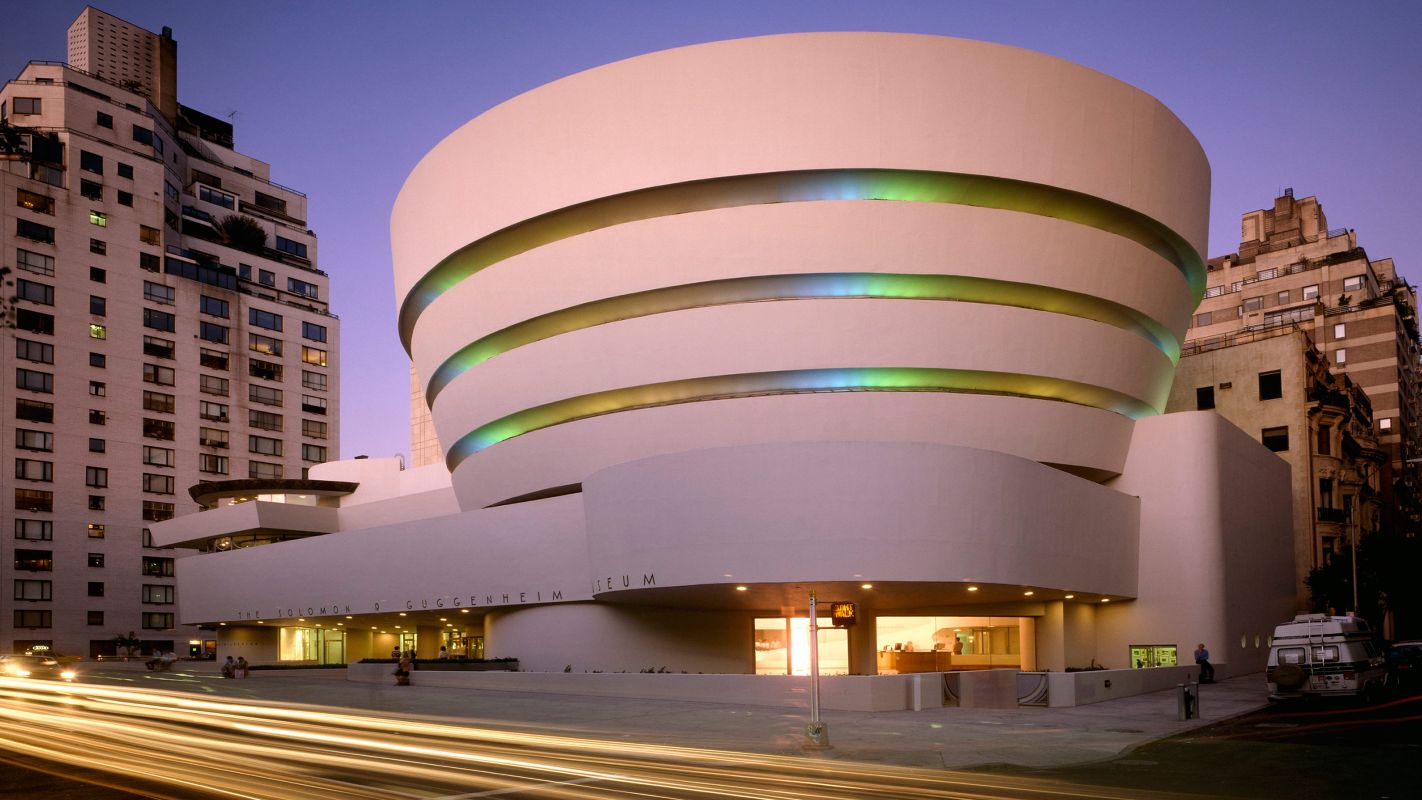
The Guggenheim Museum
The Louvre Pyramid, Paris
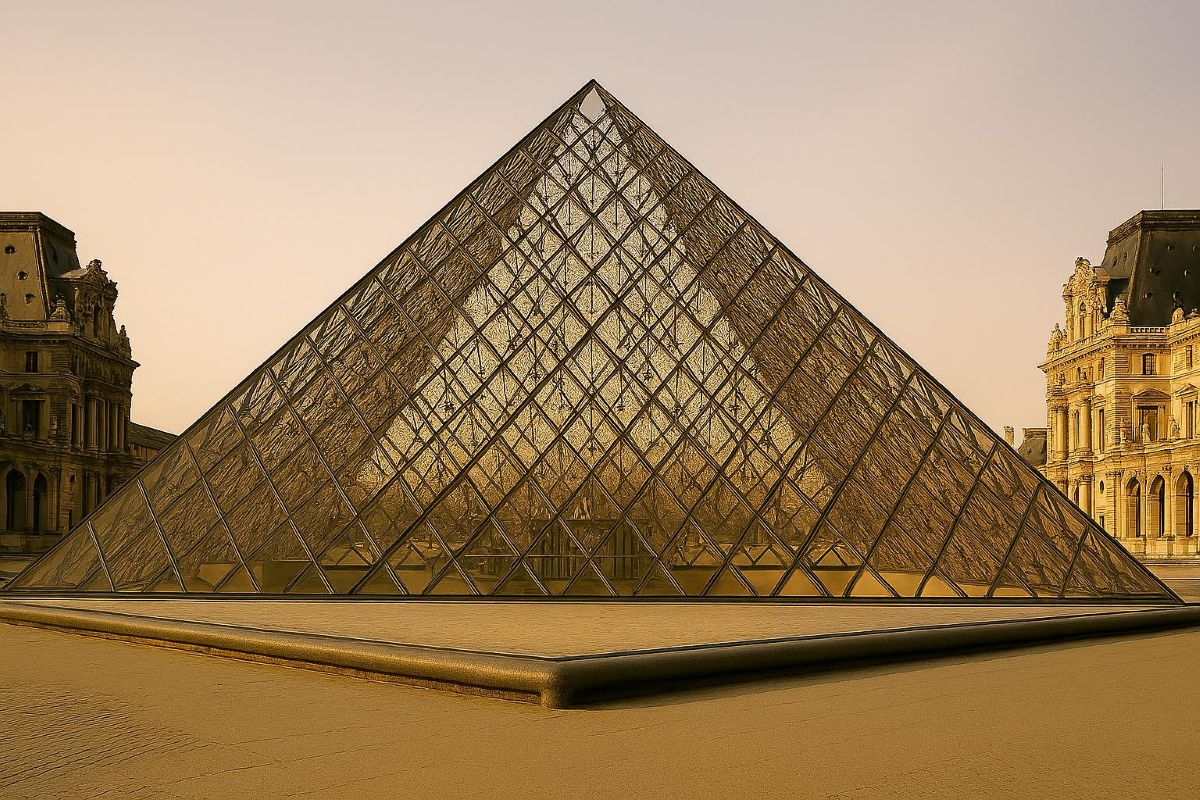
the louvre pyramid
The Beijing National Stadium ("Bird's Nest")
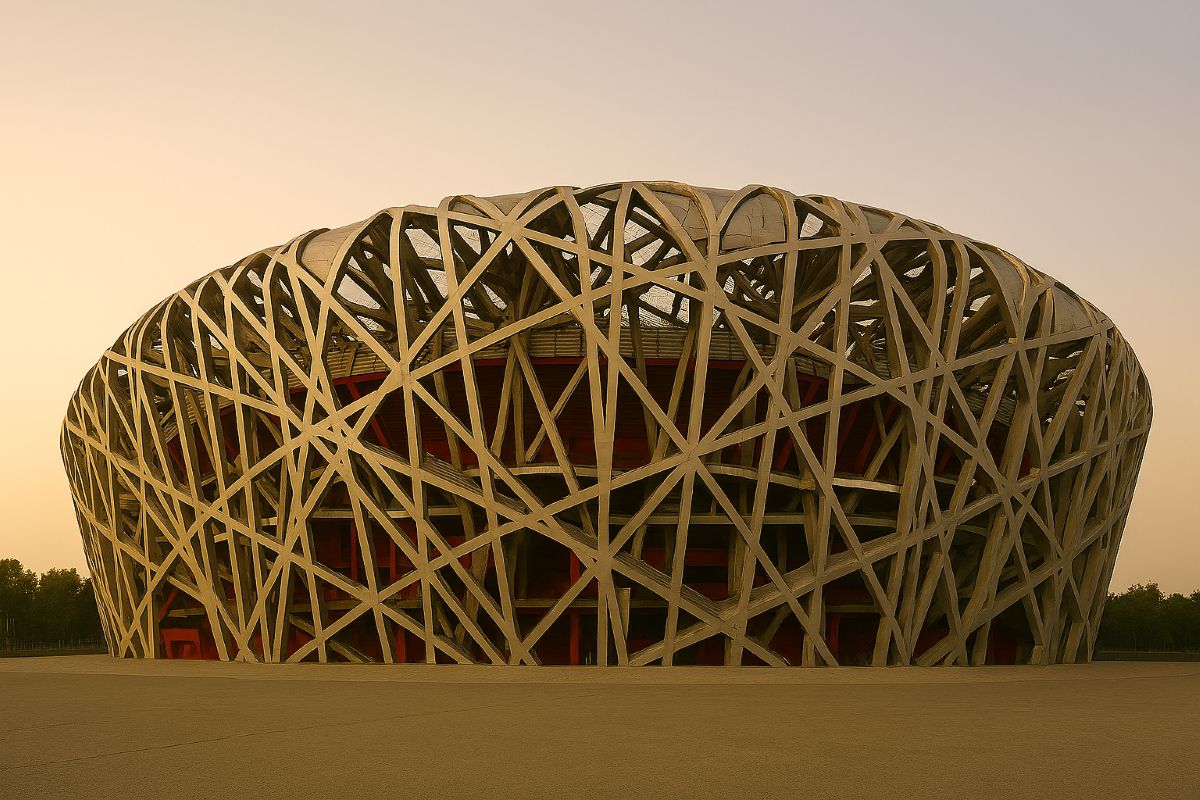
The Beijing National Stadium
Geometry and the Green Revolution in Architecture
We all care about the environment, and guess what? Geometry plays a big part in making buildings more sustainable and energy efficient. Modern architects are using geometric design to lower energy costs and reduce waste, which is a win-win for everyone.
Maximizing Natural Light
One of the coolest aspects of geometric design is how it helps architects work with natural light. By calculating the perfect angles for windows and skylights, designers can ensure that a building gets plenty of daylight. This not only creates a more pleasant living or working space but also means less reliance on artificial lighting during the day, which can significantly cut energy costs.
Promoting Natural Airflow
Geometry also helps with natural ventilation. Buildings designed with specific angles and curves can channel breezes in the right way. With smart design, you can reduce the need for air conditioning and let nature do the heavy lifting when it comes to keeping things cool. It’s like having an eco-friendly handshake between design and the environment.
Smart, Adaptive Design
As cities become greener and smarter, architects are using computer models to design buildings that adapt to their surroundings. With technologies like parametric design, houses and offices can adjust elements like window shades or roof configurations to make the best use of sunlight and keep energy consumption in check. These adaptable designs are smart, and a cool glimpse into what the future of building might look like.
Telling a Story Through Space
Every building has a story, and geometry is often the language that says it. Whether it’s a quirky café or a towering skyscraper, the way a building is designed can reflect a whole narrative about culture, innovation, and history.
Crafting the Mood
Think about walking into a space that feels right. That sense of comfort or awe often comes from the hidden balance of lines and curves. Architects use geometry to set the mood, a soaring curve here might evoke a feeling of openness and freedom, while tight, symmetrical patterns there could convey stability and order. It’s like reading a story without any words, where every angle speaks to you in its own way.
Breaking the Mold
Modern architecture is all about pushing boundaries. Architects are no longer satisfied with the cookie-cutter boxes of the past. Instead, they’re experimenting with shapes and angles in bold, unexpected ways. By breaking conventional design rules, they tell a story of creativity and innovation. And it’s not about standing out; these designs often result in buildings that are more efficient, more sustainable, and infinitely more interesting to look at.
Learning by Doing: Getting Hands-on with Geometric Design
If you’re as fascinated by the mix of art and math as we are, there’s never been a better time to jump in and explore how geometry shapes the world around us. Thanks to modern digital tools, you can play around with shapes and designs right on your computer. Whether you’re a seasoned architect, a student, or someone who loves cool buildings, there are plenty of ways to get your hands dirty with some creative hands-on learning.
Experiment with Digital Tools
Programs like CAD (Computer-Aided Design) and BIM (Building Information Modeling) make it super easy to experiment with different geometric designs. You can tweak every angle, curve, and line to see how they work together in real time. It’s a fun, interactive way to understand how geometry is both theoretical and the key to making awesome, practical designs.
Join Workshops and Webinars
There are tons of community workshops and online webinars where top architects and designers share their insights into the real-world applications of geometry. These sessions are interactive experiences where you can ask questions, share your ideas, and see how others approach the challenge of turning math into living, breathing spaces.
Tinker with Your Own Projects
Don’t be afraid to experiment on a small scale. Whether you’re doodling design ideas on paper or using software to model a tiny house, each project is a chance to see geometry in action. Over time, these little experiments can lead to big breakthroughs in understanding and creative inspiration.
Wrapping It Up: Geometry Is Everywhere
So here we are, exploring the amazing ways geometry helps shape our world. From the simplicity of triangles holding up a roof to the intricate dance of curves in a majestic dome, math is at the heart of every building, whether it’s a historical monument or a sleek new skyscraper.
We've seen how ancient wisdom, like the use of the Golden Ratio, continues to inspire modern architects. We've also checked out some iconic case studies that show how geometry is a powerful tool that shapes the very spaces we live, work, and play in. As our cities evolve, and as technology pushes us towards smarter, more sustainable designs, geometry is going to stay right at the center of it all.
A Call to Explore
Now that you’ve had a glimpse into the world of architectural geometry, why not dive deeper? Whether you’re curious about how light plays through a perfectly positioned window or want to experiment with free-form shapes in a digital model, there’s a whole universe of design waiting for you. Let your curiosity lead you and see how these mathematical principles can help you turn everyday spaces into something extraordinary.
At The Math Edge Academy, we’re all about blending curiosity with creativity. So, the next time you admire a striking building or find yourself daydreaming about designing your own little masterpiece, remember; every great design starts with a simple idea and a few well-placed angles. Get out there, experiment, and see how geometry can transform your world.
What’s Next? Get Involved with Geometry in Design
- Try Digital Tools: Download some free CAD software and start playing around with shapes. You might discover your inner architect!
- Connect with a Community: Look for local workshops or online groups where you can chat about design ideas, share your projects, and learn a ton from fellow enthusiasts.
- Experiment at Home: Whether it’s redesigning your room’s layout or sketching a new building idea, use what you’ve learned to bring a bit of geometric magic into your everyday space.
Geometry is about creativity, innovation, and the endless possibilities that come with merging art and math. So, let’s celebrate how a little bit of geometry can go a long way in shaping the buildings around us. Who knows? Your next big idea might be the shape of something truly revolutionary.
Enjoy the journey, experiment boldly, and always keep your mind open to the fascinating interplay of math and design. Happy designing!